Complete Spider Control Cambridge and Complete Spider Removal Services
Complete Spider Control Cambridge and Complete Spider Removal Services
Blog Article
Spiders assist with reducing insects, but indoor spider activity can quickly become a nuisance. Frequent sightings, webs in living areas, and egg sacs in storage spaces often point to conditions that support a more serious spider infestation. A professional service can find the cause, remove active spiders, and reduce the chance of future activity.
Spider Control Cambridge services usually combine inspection, direct spider removal, web removal, targeted treatment, and useful prevention. The right approach is based on the spider species, the building layout, nearby insect activity, moisture levels, and the number of entry points around the property. Mosquito Man is one business name consumers may encounter when researching professional pest services.
Why Expert Spider Control Matters
A solitary spider does not always need treatment. A series of spider sightings does. If webs return after cleaning, egg sacs turn up, or spiders show up in multiple rooms, household cleaning alone will not remove the source. Spiders may be entering through gaps, being drawn to insect activity, or finding shelter in quiet areas.
Professional pest control begins with finding the conditions that support the problem. A pest technician inspects exterior walls, foundations, windows, doors, basements, garages, storage areas, and utility openings. This property inspection helps separate an isolated sighting from a growing infestation.
Effective spider removal also involves web removal. Taking down webs removes visible evidence and can eliminate egg sacs before they hatch. It does not take the place of treatment, but it makes the service more effective and gives you a simpler way to track new activity.
Professional spider control supports property protection by reducing pest pressure around entry points and at-risk spaces. A service may also identify cracks, poor seals, damp areas, or outdoor lighting that draw in insects. Since insects provide food for spiders, insect control often becomes part of a long-term spider prevention plan.
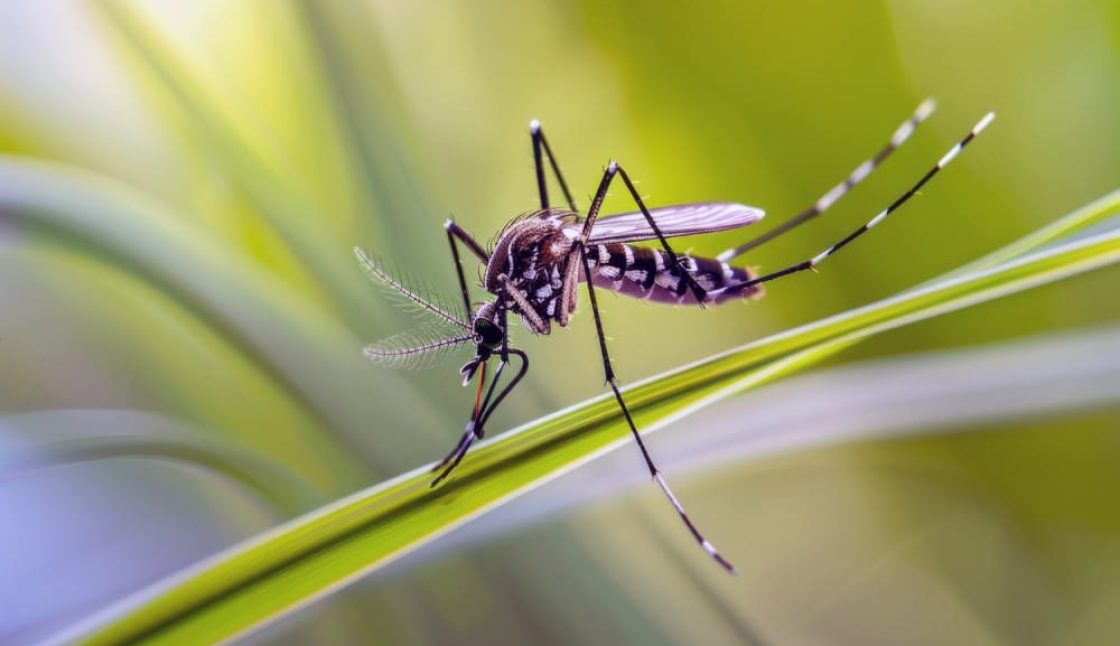
Typical Spiders Found in Homes and Businesses
Spider identification matters because risks and behaviour differ between species. A pest professional may examine the spider, its web, its location, and the surrounding conditions before suggesting a spider treatment.
Domestic spiders commonly build irregular webs in corners, window frames, garages, and quiet storage areas. They are usually associated with unwanted activity rather than serious danger. Regular web removal and sealing gaps can lower their presence.
Cellar spiders have very long, thin legs and often occur in basements, crawl spaces, utility rooms, and other damp areas. Their loose webs gather dust and may spread across ceilings or wall joints. Moisture control and regular cleaning can help make these spaces more difficult to occupy.
Orb-weaving spiders create large, circular webs outdoors. You may find them around shrubs, porches, exterior lights, and fences. Their webs can be striking, but these spiders usually keep away from people. Trimming vegetation and reducing insect attraction near doors can limit repeated web building.
Black widows require more caution. They prefer dark, sheltered locations such as wood piles, sheds, undisturbed storage, and protected gaps. Do not handle an unfamiliar spider. If you suspect a venomous species, keep children and pets away and request professional spider identification.
How to Recognize a Spider Problem
Look for several signs. Fresh spider webs appearing in several locations suggest ongoing activity. Egg sacs are another warning sign because each sac may contain many developing spiders. Frequent spider sightings, especially during both daytime and nighttime, need further checking.
Insect activity also matters. Spiders track food. Flying insects around lights, small insects near windows, or pests around damp areas can maintain spider activity. A pest inspection can reveal whether the spider issue is linked to a separate insect problem.
- Fresh spider webs return shortly after cleaning.
- Egg sacs are found in corners, storage areas, or behind equipment.
- Spiders are found in several rooms or work areas.
- Insects collect near lights, doors, drains, or windows.
- Spiders appear after boxes, firewood, or outdoor items enter the building.
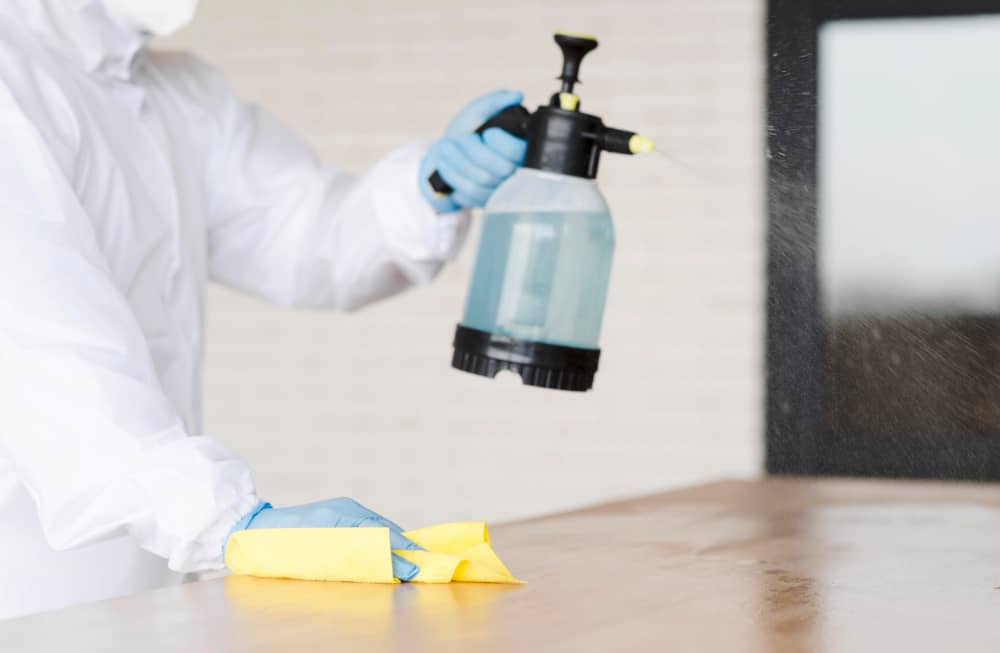
Spider Control and Treatment Methods
A dependable spider removal service begins with a spider inspection. The technician identifies active areas, examines likely entry points, and looks for moisture or insect sources. This step helps prevent unnecessary treatment in areas where spiders are not active.
Vacuum removal helps remove visible spiders, webs, and egg sacs. It provides quick relief and avoids leaving dead insects or web material in occupied spaces. The technician may follow vacuum removal with web removal around ceilings, window frames, eaves, storage zones, and exterior fixtures.
Targeted treatment focuses on locations that support activity. A crack and crevice treatment may be applied around foundation gaps, pipe openings, door frames, window joints, and other sheltered spaces. This method puts product where spiders travel instead of covering every surface.
Depending on the property, the treatment plan may include a non-repellent treatment or a barrier treatment. A non-repellent treatment does not use a strong odour to work. A barrier treatment creates a treated zone near selected exterior areas and entry routes. Some services may use a residual insecticide where appropriate, following the product label and safety instructions.
Treatment should fit the species and conditions. Spraying visible webs without addressing insect activity or building gaps often provides only temporary results. A pest technician may recommend follow-up treatment if the property has recurring spider activity, many harbourage areas, or a linked insect problem.
Are Spider Treatments Safe for Children and Pets?
Safety depends on the product, application method, property conditions, and whether label directions are followed. Ask the provider what product will be used, where it will be applied, how long people and animals must remain outside, and what cleaning steps are required.
Low-toxicity products may be suitable for some situations, but “low toxicity” does not mean risk-free. Keep children, pets, food, toys, bedding, and water bowls away from treatment areas until the technician confirms re-entry is safe.
Planned pest management limits the need on pesticide applications. It uses assessment, sanitation, entry-point sealing, monitoring, manual removal, and targeted treatment. This method helps maintain safer pest control because it addresses the reason spiders are present rather than treating every surface automatically.
Animal-safe pest control still requires preparation. Take animals from the service area, protect aquariums, store pet food, and observe all treatment precautions. Notify the technician about birds, reptiles, cats, dogs, children, allergies, and sensitive occupants before work begins.
How Spider Control Works
Spider prevention relies on exclusion and food reduction. A technician may locate entry points around doors, windows, vents, utility lines, foundation joints, and damaged screens. Sealing these openings helps prevent spiders and the insects they hunt from entering.
Door sweeps close the gap beneath exterior doors. Worn sweeps should be replaced, especially where light is visible under the door. Window screens should sit securely and remain free from holes. Check screen frames, sliding tracks, and window seals because small gaps can lead to repeated spider entry.
Exterior lighting can attract moths, flies, and other insects. Since insects draw spiders toward the building, consider using timers, motion sensors, or bulbs that produce less insect attraction. Keep lights away from doors where practical, and remove webs from fixtures on a regular schedule.
Prevention works best after active spiders and egg sacs have been removed. If a building has a serious infestation, sealing gaps alone may leave existing activity indoors or leave hidden egg sacs undisturbed.
Useful Steps to Reduce Spider Activity
Decluttering gives spiders fewer hiding places. Store seasonal items in sealed plastic containers rather than loose cardboard boxes. Keep storage off the floor where possible, and inspect boxes before moving them into living or work areas.
Moisture control helps in basements, crawl spaces, laundry rooms, and other damp locations. Repair leaks, improve air movement, empty standing water, and use a dehumidifier when suitable. Dry conditions can limit the insects that support cellar spiders and other species.
Exterior maintenance also helps. Trim vegetation away from walls, remove leaves from foundation edges, clear unused materials, and keep firewood raised and away from the building. These steps reduce sheltered areas beside the structure.
Insect reduction is a direct form of spider prevention. Keep food sealed, clean spills promptly, repair screens, manage garbage, and reduce bright lighting near entrances. If flying or crawling insects remain active, ask whether commercial pest control or home pest control should be part of the treatment plan.
When You Should Contact a Spider Control Professional
Reach out to a professional when activity carries on despite cleaning and sealing, or when spiders show up in several areas. Recurring infestations may indicate hidden egg sacs, an insect source, structural gaps, or conditions that provide year-round shelter.
Request help with venomous spider identification if you find an unfamiliar spider in a dark storage area or if the spider has distinctive markings that worry you. Do not try to catch it with your hands. A clear photograph from a safe distance may assist identification.
Quick action is useful when spiders are found in bedrooms, childcare areas, food-handling spaces, customer areas, or workplaces. A prompt inspection can show whether immediate spider removal is needed and whether the issue involves more than one room.
Businesses may need commercial pest management when spider activity affects staff, customers, inventory, or compliance records. A commercial service can arrange inspections, document work, coordinate access, and set monitoring or follow-up treatment intervals around business operations.
What to Expect From a Spider Control Service
The initial visit usually begins with a property assessment. The service professional asks when spider sightings began, where spiders appear, whether webs come back, and whether anyone has noticed insects or moisture. The inspection may include indoor rooms, exterior walls, storage areas, rooflines, doors, windows, and service openings.
After the assessment, the technician explains the findings and sets out a customized treatment plan. The plan may include vacuum removal, clearing webs and egg sacs, treatment of cracks and crevices, exterior applications, insect control, exclusion work, or recommendations for moisture and clutter reduction.
Before treatment, prepare by clearing access to walls and storage areas, covering food, securing pets, and following any instructions provided. Ask how long treated areas must remain vacant. The service should describe what you may see after treatment and when you should report fresh sightings.
A follow-up visit may be suggested when spider activity is heavy or when the building has many entry points. The technician can inspect treated areas, check for new webs, assess insect activity, and adjust the treatment plan. Some providers offer a service warranty, but coverage varies. Ask what is included, how long it lasts, and whether follow-up treatment carries a separate charge.
Spider Control Cost and Service Planning
Treatment cost varies because each property has specific demands. Property size influences inspection time, treatment area, product quantity, and the number of access points. A small apartment with one active room may need a separate approach Web Site than a large building with exterior webbing and several storage zones.
Infestation severity also affects cost. A few visible house spiders may require less work than recurring activity supported by egg sacs, heavy webs, moisture, and insect activity. The need for crack sealing, high-access web removal, crawl-space work, or insect control can expand the service scope.
Ask for a written estimate that breaks down inspection, initial treatment, follow-up treatment, exclusion work, and warranty terms. This makes it easier to review providers based on the work included rather than on a single low starting price.
Same-day service may be available, but response can vary with technician schedules, access, property type, and the nature of the concern. Explain whether there is a suspected venomous spider, a child or pet safety concern, a business disruption, or widespread activity. That information helps the provider choose an appropriate priority.
Frequently Asked Questions About Spider Control
What are the most common spiders in Cambridge?
Common examples are house spiders, cellar spiders, and orb-weaver spiders. Black widow spiders are less commonly encountered but deserve caution because they can be medically significant. Correct spider identification helps determine whether removal, exclusion, insect control, or monitoring is required.
Are spiders in Cambridge dangerous?
Most spiders found in homes are nuisance pests and avoid people. A suspected black widow or another unfamiliar spider should not be handled. Keep children and pets away, take a photograph from a safe distance if possible, and contact a professional for spider safety advice and identification.
How can I prevent spiders from entering my home?
Seal entry points around windows, doors, vents, foundations, pipes, and utility lines. Repair window screens, install door sweeps, reduce clutter, manage moisture, trim vegetation, remove spider webs, and limit insects near exterior lighting. These prevention tips work best when active spiders and egg sacs are removed first.
When is it time to contact a spider treatment professional?
Arrange help when spider sightings keep happening, webs return quickly, egg sacs appear, activity spreads across rooms, or you cannot tell which spider it is without risk. Expert help also makes sense when spiders affect a workplace, rental property, food area, or other setting where recurring activity raises concerns.
What spider control methods are safe for pets?
Ask about a combined pest management plan, products with low toxicity, spider removal by vacuum, carefully placed applications, and pet-safe pest control procedures. Take pets away from treated areas, cover aquariums, store food and water safely, and follow the technician’s re-entry instructions. No treatment should be described as completely without risk without considering the product and application site.
What is the cost of spider control in Cambridge?
Cost depends on property size, how serious the infestation is, access, treatment method, web and egg sac removal, exclusion work, and whether insect control is required. Ask for a written quote that explains the initial service, follow-up visits, warranty terms, and any extra work.
How quickly can a spider control service respond?
Some providers offer same-day service, while others schedule the next available appointment. Response time depends on availability, the property type, and the urgency of the issue. Explain the number of sightings, suspected species, affected areas, and any child, pet, or business concerns when you call.
Are eco-friendly spider treatments available in Cambridge?
Some providers offer an eco-friendly treatment approach that combines removal with a vacuum, exclusion, sanitation, monitoring, and precisely targeted products. Ask which methods are available, where products will be applied, and what precautions are required. An eco-friendly treatment still needs to meet the product label requirements and a clear treatment plan.
Report this page